
What Is Exomind? A New Approach to Mental Wellness
Exomind is a wellness application of transcranial magnetic stimulation, a technology that delivers focused magnetic energy to specific regions of the brain. Exomind uses advanced transcranial magnetic stimulation (TMS) technology to support mental wellness, emotional resilience, and mental clarity. Where many of those systems act on muscle or tissue, Exomind directs its energy toward the brain, specifically the dorsolateral prefrontal cortex, a region closely tied to mood and executive function.
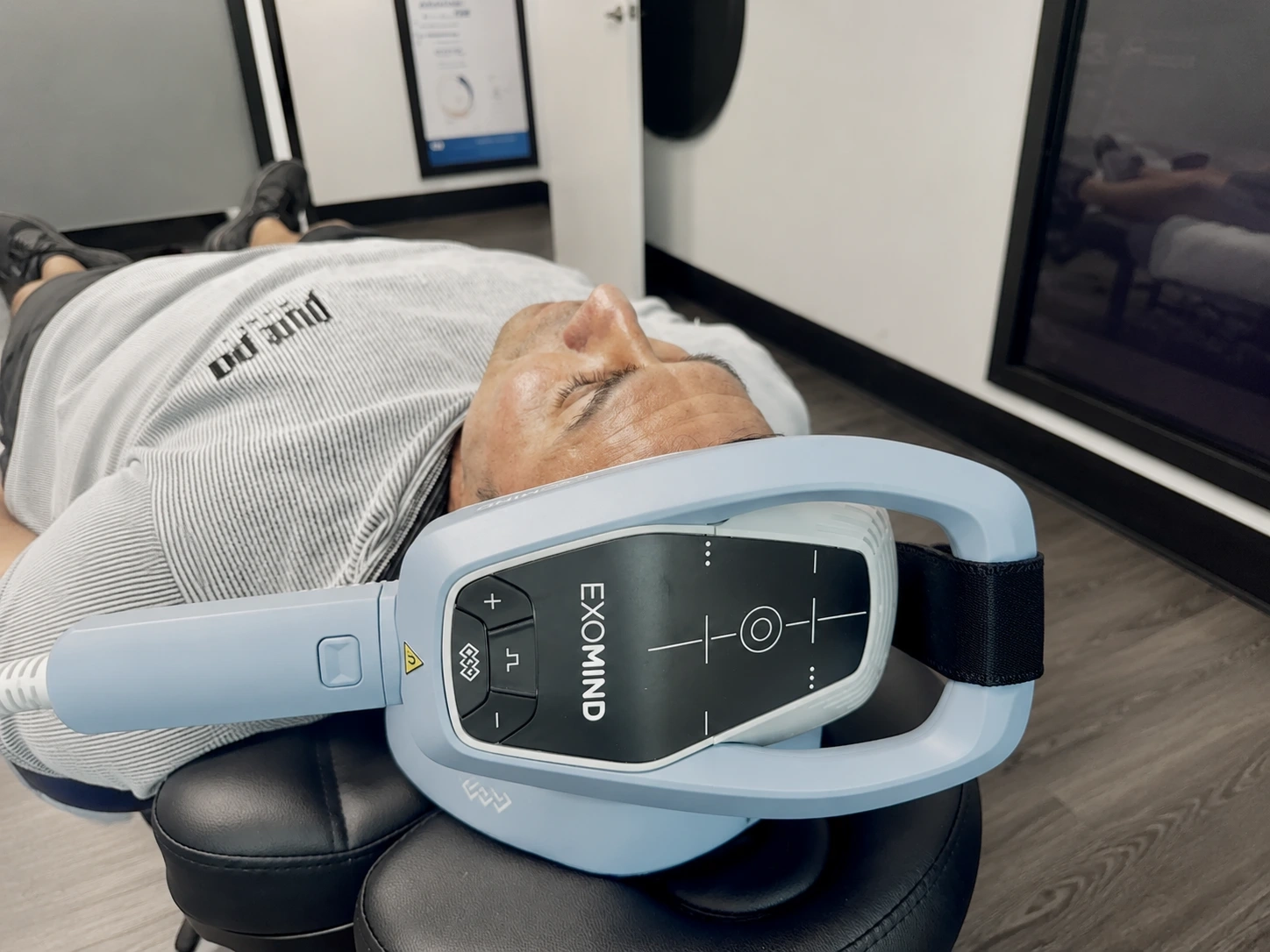
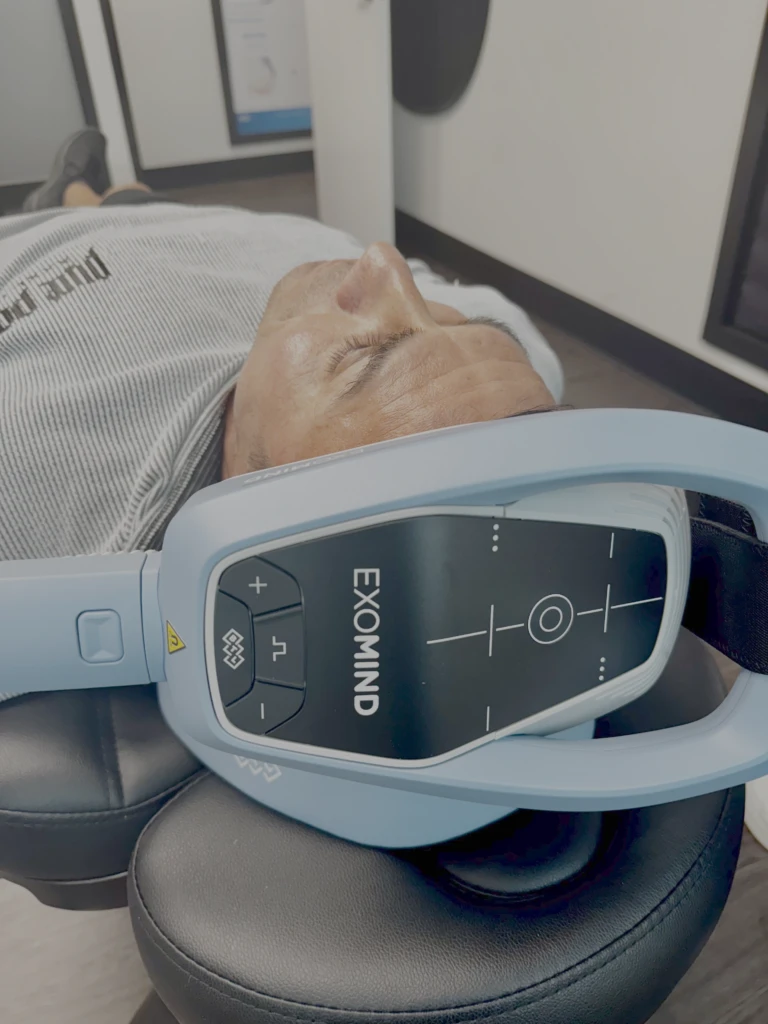
Treatment is delivered through a coil positioned near the scalp. A sequence of magnetic pulses passes painlessly through the skull and generates small electrical currents in the targeted brain tissue. Those currents encourage underactive neural circuits to return toward healthier activity. No anesthesia is involved, nothing is injected, and patients remain fully awake for the entire session.
How the magnetic pulses work
Exomind works by gently stimulating areas of the brain involved in mood, focus, motivation, and emotional regulation. Through a series of treatments, the brain is encouraged to develop healthier patterns of activity, helping many individuals feel more balanced, focused, and resilient. Epion examines this rewiring process in more detail in its companion article on how Exomind TMS supports mental wellness.
A short history of the technology
Transcranial magnetic stimulation has a long history in neuroscience. The first modern TMS device was developed in 1985 by Anthony Barker and colleagues at the University of Sheffield in England. They showed that a magnetic coil held over the scalp could stimulate the motor cortex and produce visible movement in the hand. Researchers spent the decades that followed mapping how the brain responds to magnetic stimulation and refining the equipment.
In 2008, the United States Food and Drug Administration cleared the first TMS system for major depressive disorder in adults who had not responded to medication. Additional FDA clearances later followed for obsessive-compulsive disorder and other medical indications. As the safety record grew and the technology became more refined, interest expanded beyond traditional psychiatric applications into broader wellness settings.
Exomind utilizes TMS technology as part of a wellness-focused approach
What an Exomind session feels like
designed to support mental well-being, emotional resilience, and cognitive performance. It brings an established neuroscience technology into a comfortable, supportive-based setting for individuals seeking proactive support for their overall wellness.
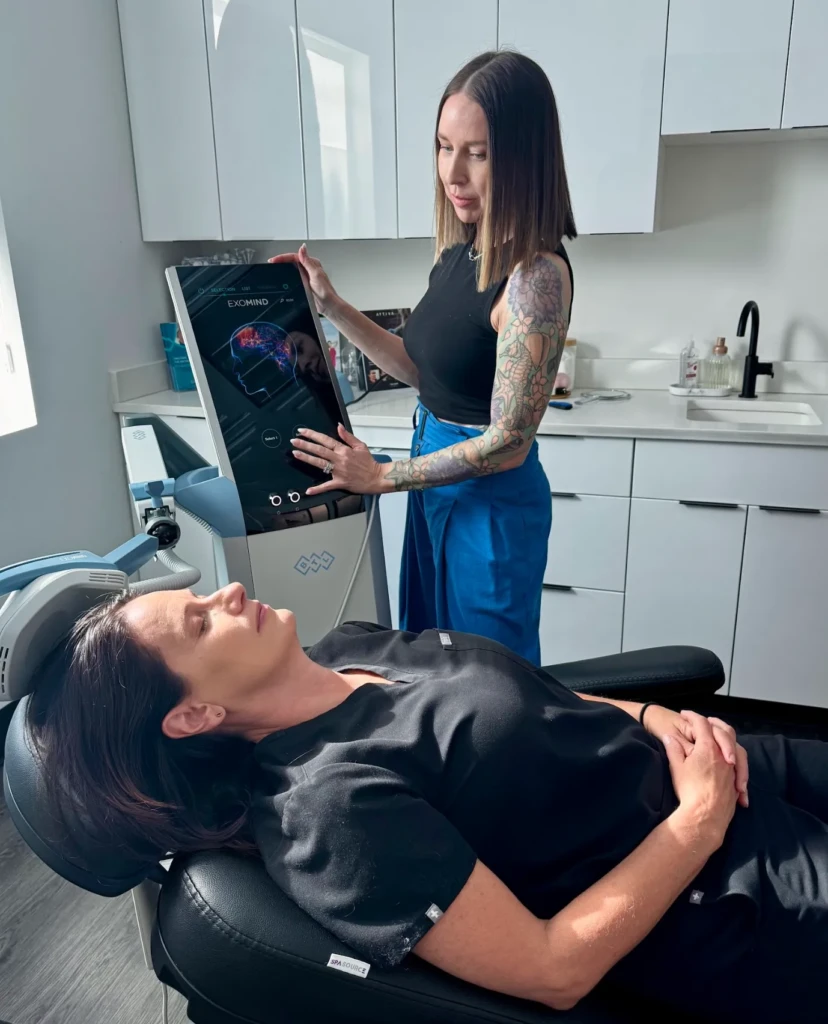
An Exomind appointment is calm and straightforward. After an initial consultation to review medical history and goals, a provider positions the device over the scalp while the patient reclines in a treatment chair. The session begins, and the device delivers its magnetic pulses in measured cycles.
Most patients describe the sensation as a light tapping or a mild tingling against the scalp. There is no sedation and no grogginess afterward. A typical session runs between 18 and 24 minutes, short enough to fit into a lunch break. When it ends, patients return to their normal routine right away, with no restrictions on work or activity. Some report a subtle lift in mood or focus the same day, though the more meaningful changes accumulate across the full series.
The atmosphere matters as much as the technology. Many people arrive with questions or a degree of nervousness, and a good provider takes the time to explain each step before it happens. Patients can read or simply close their eyes and rest while the device runs.
Who May Benefit From Exomind?
Exomind may benefit individuals struggling with:
- Depression and persistent low mood
- Anxiety and chronic stress
- Chronic stress and difficult life experiences
- Menopause-related mood changes, irritability, and brain fog
- Difficulty concentrating or maintaining focus
- Burnout and emotional exhaustion
- Difficulty managing habits, cravings, or self-control goals
- Emotional eating and food cravings
- Reduced motivation and lack of mental clarity
- Individuals seeking proactive mental wellness support
Good to know: Candidacy for Exomind depends on individual health factors. People with certain implanted metal devices near the head or a history of seizures may not be eligible, which is why the consultation and medical screening step is essential before any treatment begins. |
Exomind and Menopause
Many women experience mood changes, anxiety, brain fog, decreased motivation, and emotional overwhelm during perimenopause and menopause.
Exomind offers a non-drug approach to supporting mental clarity, emotional balance, and overall well-being during this transition. Many women seek Exomind as part of a comprehensive wellness plan that may also include hormone optimization, nutrition, exercise, and stress management.
Exomind and Stress Recovery
Chronic stress and difficult life experiences can impact mood, focus, motivation, and emotional well-being. Exomind may help support healthier patterns of brain activity and can be incorporated into a comprehensive wellness plan alongside counseling, healthy lifestyle habits, and professional medical care when appropriate.
The table below summarizes the practical details of the therapy.
Exomind for First Responders
First responders, healthcare professionals, military personnel, and other high-stress professionals often experience significant mental and emotional demands. Many seek Exomind as part of a proactive wellness strategy to support resilience, focus, emotional well-being, and overall mental wellness.
Technology | Transcranial magnetic stimulation (TMS) |
Target area | Dorsolateral prefrontal cortex |
Session length | Roughly 18 to 24 minutes |
Typical course | About 6 sessions over 3 to 6 weeks |
Downtime | None; normal activity resumes immediately |
Sensation | Light tapping or mild tingling on the scalp |
Anesthesia | Not used; patients stay fully awake |
Regulatory note | Certain TMS systems have received FDA clearance for specific medical indications. Exomind is offered as a wellness application of TMS technology. |
What the research shows
Transcranial magnetic stimulation has been studied for decades, and the body of clinical evidence behind it is substantial. Research consistently finds that a meaningful share of patients respond to TMS, including many who saw little benefit from medication alone.
Research insight: In an analysis of hundreds of patients treated with TMS at UCLA Health between 2009 and 2022, 54 percent showed a clinically meaningful response, defined as at least a 50 percent improvement in mood symptoms. Results reported in clinical studies do not guarantee individual outcomes. |
It helps to keep expectations grounded. Exomind is designed to support mental wellness and emotional well-being. While individual results vary, many patients achieve the best outcomes when treatment is combined with healthy lifestyle habits, counseling, hormone optimization, exercise, and other personalized wellness strategies. As part of a comprehensive care plan, Exomind can help support improved mood, focus, resilience, and overall mental health.
What the evidence does not capture is the individual experience. Two people with similar symptoms can respond on different timelines, and factors such as sleep, stress load, hormonal health, and lifestyle all play a role. This is one reason a personalized assessment carries real weight before treatment begins.
How Exomind fits into a complete wellness plan
Epion approaches care from a whole-person perspective, and Exomind works best alongside other elements of health rather than in isolation. Mood and energy are shaped by sleep, nutrition, hormones, and physical activity, so the practice often pairs brain therapy with complementary services.
Patients working on body composition sometimes combine Exomind with Emsculpt NEO body contouring in Hillsboro, since progress on physical goals and progress on emotional ones tend to reinforce each other. Those focused on energy and metabolic health may add IV therapy in Hillsboro for targeted nutrient support. For anyone following a structured weight management path, the emotional regulation that Exomind supports can complement a medically supervised weight loss program, especially where stress and emotional eating are part of the picture.
Coordination is what makes the difference. A provider can map how these services work together so the plan reflects the goals that matter most to each patient.
What to expect from a treatment series
Exomind is delivered as a series rather than a single visit. A common protocol involves roughly six sessions spread across three to six weeks, though the exact plan depends on individual goals and how a patient responds along the way.
Benefits tend to develop along a curve. Early sessions may bring subtle shifts in mood or sleep quality. As the series continues, those changes often become steadier and more noticeable. Many patients find that improvements keep developing in the weeks after the final session, as the reinforced neural pathways settle into place. Periodic maintenance sessions are sometimes recommended to sustain results over the long term.
Tracking progress is part of the process. Providers often use brief mood or wellbeing questionnaires before and during the series, which gives both the patient and the provider an objective sense of how things are moving. These check-ins also help guide whether the plan should be adjusted.
Safety and side effects
Exomind has a strong safety profile, consistent with the broader clinical record of transcranial magnetic stimulation. The therapy is noninvasive and drug-free, so it avoids the systemic side effects associated with many medications, such as weight changes, fatigue, sexual side effects, or emotional flatness.
Side effects, when they occur, tend to be mild and short-lived. The most common is temporary scalp sensitivity or a mild headache after a session, both of which usually fade quickly. Because the therapy uses magnetic energy, it is not appropriate for everyone, and the consultation screens for factors such as implanted metal near the head. Performed by trained providers who follow established clinical protocols, Exomind is widely regarded as a safe and well-tolerated option for mental wellness support.
Is Exomind right for you?
Exomind offers a thoughtful option for individuals who want to support their mental wellness without medication or downtime. Built on well-established neuroscience technology, it fits easily into a busy schedule and can be incorporated into a broader approach to health and wellness.
If you’re experiencing stress, burnout, emotional exhaustion, brain fog, difficulty focusing, reduced motivation, or simply want to invest in your mental well-being, Exomind may be worth exploring. Many individuals seek Exomind as part of a comprehensive wellness plan that supports emotional resilience, mental clarity, and overall quality of life.
The best way to determine whether Exomind is right for you is through a professional consultation, where a provider can review your health history, discuss your goals, and explain what a personalized treatment plan may involve. To learn more or ask questions, explore our Exomind mental wellness services in Hillsboro or reach out to the Hillsboro team to schedule a visit.
References
- Barker AT, Jalinous R, Freeston IL. Non-invasive magnetic stimulation of human motor cortex. The Lancet, 1985.
- U.S. Food and Drug Administration. Clearance of transcranial magnetic stimulation systems for major depressive disorder, 2008.
- UCLA Health. Study finds possible early predictor of successful transcranial magnetic stimulation therapy for major depression, 2023. Available at uclahealth.org.
- BTL Aesthetics. Exomind clinical and product information.